

Rated ★4.7
by 1,730+ Customers


4.7
Rating by 1730+ Customers
5 Signs Your Midland Home Needs Immediate Emergency HVAC Service
Voted Midland’s Favorite 6 Years In A Row!
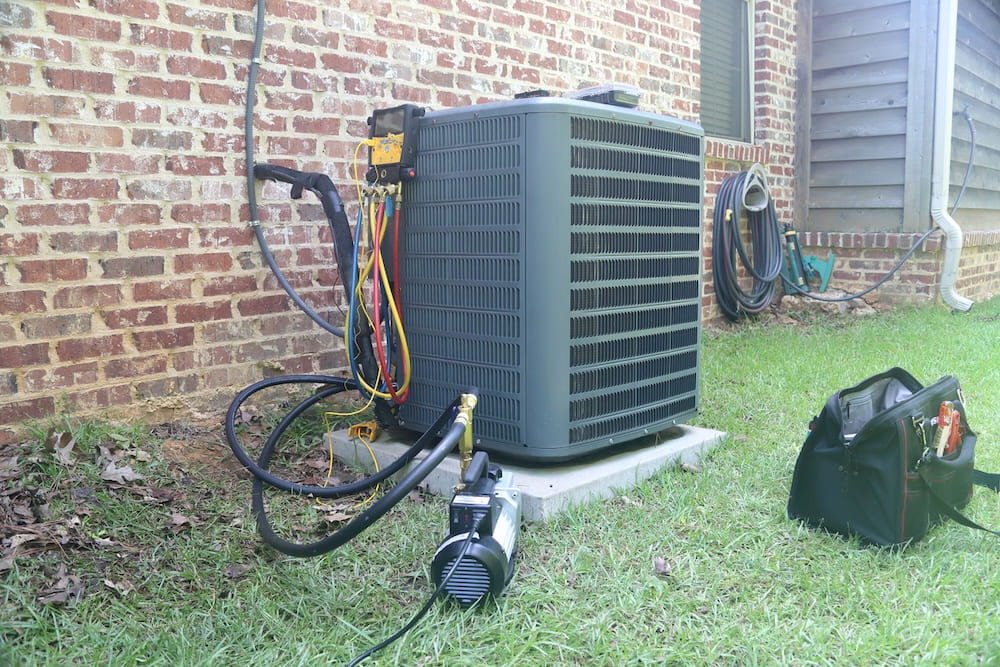
Living in West Texas means navigating a climate of true seasonal extremes. When summer hits Midland, the blistering desert sun regularly drives afternoon temperatures deep into the triple digits. Conversely, when winter arrives, severe cold fronts sweep across the Permian Basin, dropping temperatures well below freezing in a matter of hours. Because our local weather shifts so drastically, your home’s central heating and cooling network is not a luxury; it is a critical piece of safety infrastructure.
When your comfort grid experiences a sudden component failure during an intense weather spike, waiting days for a standard service appointment can quickly compromise your family’s health and property. Recognizing when a minor operational quirk has escalated into a true mechanical emergency allows you to act before permanent damage occurs. D&D Home Services has been keeping Permian Basin households safe, efficient, and comfortable for years with dependable trade expertise. This guide breaks down the five unmistakable warning signs that your Midland home requires immediate emergency HVAC service.
Electrical Component Shocks: The Direct Threat of a Dead System
Discovering that your central air conditioner or furnace refuses to activate during a peak weather afternoon is highly stressful. If your indoor thermostat screen is completely blank, or if you adjust the target temperature and hear nothing but a faint click followed by absolute silence, your system’s electrical safety perimeter has been breached.
While a system that refuses to turn on feels like a major mechanical emergency, it is often a sign that your equipment’s built-in safety features worked perfectly. Modern HVAC networks are installed with an indispensable safety device called a float switch, which is mounted directly onto your indoor drainage pan or built right into your condensate line.
When your drain line clogs with biological algae, the water rises rapidly. Before that dirty condensation overflows and destroys your ceiling drywall, the rising water lifts a tiny plastic float inside the safety switch. The millisecond that the float rises, it breaks the low-voltage electrical circuit connecting your thermostat to your primary cooling system, cutting off all power instantly to prevent expensive property damage. If your system is dead and your drain pan is dry, you are likely dealing with a blown dual run capacitor or a shorted control board that requires immediate professional electrical diagnostics.
2. Pungent Odors: Burning Smells and Chemical Vapor Leaks
Your heating and cooling system should never emit a noticeable odor into your living spaces. If you turn on your system and notice a sharp, distinct smell wafting out of your supply registers, you need to isolate the system power immediately at your main electrical breaker panel.
The Danger of Electrical Burning Smells
A thick, pungent odor that smells like burning plastic, electrical fish, or melting wire insulation means a component inside your system is actively overheating. High summer operational vibrations can cause terminal screws and copper wires to back out of their clips, creating dangerous electrical shorts and high-voltage arcing. Pushing through an electrical burning smell can permanently fry your expensive blower motor or ignite a dangerous house fire behind your utility doors.
The Warning of Rotten Egg or Chemical Gases
If you utilize a natural gas furnace for winter heating and notice a sour, sulfur-like rotten egg odor, you are facing a life-threatening utility crisis. Natural gas companies intentionally add an odorant called mercaptan to gas lines so homeowners can easily detect leaks.
If this smell appears, do not flip any light switches, leave your home immediately, and call emergency services. Similarly, a sweet, chemical, or nail-polish-like aroma coming from your AC vents points to a severe refrigerant leak, which requires immediate technical recovery to prevent total compressor destruction.
3. Erratic Cycling Patterns: Short-Cycling and Non-Stop Operation
An air conditioning system relies on a perfect balance of pressure, airflow velocity, and thermal insulation to cool your home evenly. When your equipment begins turning on and off rapidly every few minutes, a defect known as short-cycling, it is a clear indicator that the system is in a severe state of distress.
The Mechanical Costs of Short-Cycling
Short-cycling places immense mechanical and electrical strain across your entire utility grid. The most common component to give way first under this continuous cycling is the dual run capacitor. This electronic part acts like a heavy-duty starting battery, providing the electrical jolt needed to keep your outdoor fan and compressor spinning safely.
When a system short-cycles, the capacitor overheats, swells up, and pops, completely cutting off your cooling power. Short-cycling is frequently triggered by a heavily restricted airflow path, such as a dust-choked air filter or a failing internal control sensor.
Non-Stop Runtime Risks
Conversely, if your air conditioner runs for twenty-four hours straight without ever taking a short cycle break on a hot afternoon, it is actively struggling against the heat load. Continuous operation leads to frozen indoor evaporator coils.
When an overtaxed system runs nonstop, the indoor cooling coils never get a chance to rest or shed moisture. This constant cooling eventually causes the running condensation to freeze solid into a literal block of ice, completely blocking all indoor airflow and pushing your compressor toward a terminal breakdown.
4. Ice Accumulation: Frozen Evaporator Coils in Mid-Summer
Discovering a solid layer of white, crystalline ice covering your indoor cooling coils or the copper refrigerant lines outside your home during a ninety-five-degree afternoon feels completely backward. Many homeowners assume that an icy system simply means the unit is cooling extra hard, or that they should just turn the thermostat down further to force it through the block.
In reality, a frozen evaporator coil is a critical mechanical failure that acts like an insulating blanket, trapping the cold inside the pipe and cutting off all heat-exchange capacity. The ice will grow exponentially until it blocks all air from passing into your ductwork, causing your home vents to blow warm, weak drafts.
Forcing a frozen system to continue running is a high-stakes gamble that leads directly to premature compressor burnout. The compressor acts as the heart of your cooling infrastructure; forcing it to pump fluid against a blocked, frozen line destroys its internal lubrication shields, leading to a locked rotor and an expensive replacement invoice.
5. Aggressive Noises: Metal Screeching and Loud Clanging
While every central air conditioning unit creates a baseline level of gentle ambient noise when the fan or compressor cycles on, your system should never make aggressive, alarming sounds during standard operation. New or sudden noises indicate that an internal mechanical component has broken loose or failed structurally.
-
Metal-on-Metal Screeching: A loud, piercing squeal or screeching sound usually points to a failed bearing inside your indoor blower motor assembly or outdoor fan motor. Running a system with dry, failed bearings will cause the motor to seize completely, sparking an electrical short.
-
Violent Clanging or Banging: Hearing a loud rattling or heavy banging sound inside your air handler means a critical component has physically detached. This is often caused by a loose blower fan wheel hitting the metal housing or a broken compressor internal spring.
-
Loud Hissing or Shrieking: A continuous hissing or high-pitched whistling noise indicates either a severe, high-pressure refrigerant leak or a dangerous static pressure bottleneck inside your ductwork layout.
Protecting Your Family’s Comfort
Taking a proactive approach to your home’s central cooling and heating infrastructure is the most effective way to lower your monthly operating costs and eliminate sudden breakdown anxiety. While basic household tasks like replacing your air filters every month and keeping your outdoor cabinet clear of tall desert weeds are excellent habits, executing high-voltage electrical diagnostics, checking delicate chemical refrigerant weights, and flushing thick biological slime out of deep drainage networks requires specialized commercial tools and professional trade training.
Continuing to run a malfunctioning HVAC system through an intense West Texas heat wave or a winter freeze is a costly mistake that guarantees skyrocketing utility invoices, permanent engine destruction, and structural mold growth behind your drywall. Making the proactive choice to schedule an emergency service visit at the first sign of an operational failure eliminates technical guesswork, extends your equipment’s lifespan, and ensures your property remains a safe, refreshing, and perfectly comfortable sanctuary all year long.
Connect with the 24/7 Experts at D&D Home Services
You do not have to sweat through a dangerous summer blackout or worry about confusing system noises on your own. The friendly, fully licensed team at D&D Home Services specializes in rapid emergency HVAC diagnostics, complex component replacements, and comprehensive system optimization for families across Midland and the surrounding Permian Basin communities. Let our team restore perfect control, safety, and comfort to your living spaces today.
Reach out to us today to get your emergency service visit scheduled!
Fast, Reliable Home Comfort Services