


Rated ★4.7
by 1,770+ Customers


4.7
Rating by 1770+ Customers
Thanksgiving Plumbing Checklist for Midland Hosts
Voted Midland’s Favorite 6 Years In A Row!
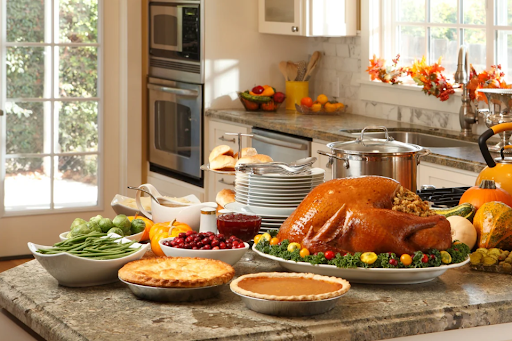
Thanksgiving is right around the corner. In Midland, that means a full house, a busy kitchen, extra overnight guests, and plumbing working harder than usual. Plumbers know this well. Roto-Rooter reports that its calls jump 50% the day after Thanksgiving compared with a normal Friday, and the four-day weekend runs 21% busier than any other Thursday-to-Sunday stretch of the year.
Most of those calls can be prevented. Our crew at D&D Plumbing, Heating & Air has served Midland families since 1984, and we’ve put together the checklist we’d want every host to run through a few days before the turkey goes into the oven. It takes less than an hour and can save you from emergency repairs during an already busy holiday weekend.
1. Get Your Kitchen Drain Ready for the Grease
The kitchen sink is where most holiday plumbing trouble starts, and Thanksgiving prep and cleanup overload sinks and disposals, which keeps plumbers busy clearing kitchen, disposal, toilet, and sewer clogs. Turkey drippings, gravy, butter, and pan grease are liquid when hot, but they harden as they cool inside your pipes.
This isn’t only a household problem. According to the Texas Commission on Environmental Quality, cities spend billions of dollars every year clearing grease-blocked pipes and cleaning up sewage spills caused by fats, oils, and grease.
Before Thursday:
- Run hot water down the kitchen drain. If it drains slowly or gurgles now, it will back up under a full holiday load. Have it cleaned before the holiday.
- Put a basket strainer in every kitchen sink basin.
- Set out a grease container, such as an empty coffee can or jar, next to the stove so no one is tempted to pour drippings down the drain.
- Check under the sink with a flashlight. Look for damp cabinet floors, corroded shutoff valves, or bulging supply lines. IBHS research found sink-related water damage averaged more than $7,000 per incident, and 44% of those incidents traced to faulty supply lines.
Myth to skip: “Hot water and dish soap will wash grease away.” TCEQ recommends rinsing greasy dishes with cold water. Hot water melts grease into the pipes, where it cools and can clog further down the line.
2. Treat the Garbage Disposal as a Disposal, Not a Trash Can
Your disposal can’t handle Thanksgiving scraps. The Brazos River Authority notes that grinding food doesn’t remove grease. It only makes the pieces smaller, and even non-greasy scraps can plug a home’s sewer line.
- Keep these out of the disposal: potato peels, turkey skin and bones, celery and onion skins, rice, pasta, stuffing, coffee grounds, and eggshells.
- Run cold water before, during, and for about 15 seconds after each use, and feed scraps in small batches.
- Brief your kitchen helpers. Teach guests how to dispose of grease, because many visitors don’t know.
- Run the dishwasher and the disposal at different times so the shared drain line isn’t overloaded.
3. Prepare Your Toilets for a Full House
Water-use planners assume about five toilet flushes per person per day. If 15 guests are at your house for the day, that’s roughly 75 extra flushes on lines that usually serve a few people (our estimate). Any weak spot will show up on Thanksgiving.
- Do the dye test. Put a few drops of food coloring in each toilet tank and wait 10 minutes without flushing. If color shows up in the bowl, the flapper is leaking. EPA notes that worn flappers and dripping faucets are among the most common household leaks, which together waste nearly 10,000 gallons a year in the average home.
- Listen for a running toilet. EPA warns that a toilet with a stuck fill valve can waste 4,300 gallons a day and up to $1,400 in water costs per month.
- Check each toilet’s supply line and shutoff valve. Turn the valve off and back on to make sure it isn’t seized. IBHS data shows toilet water damage costs $2,000 to $10,000 per incident, and 78% of those incidents involved supply lines, flanges, fill valves, or overflows.
- Put a plunger next to every toilet that guests will use, and a small lidded trash can in each bathroom.
- Post a friendly “toilet paper only” sign for guests. So-called “flushable” wipes are a major sewer problem.
4. Check Your Water Heater’s Capacity
The water heater problem usually shows up Friday morning, when the third or fourth houseguest gets in the shower, and the hot water runs out. Showering already makes up about 19% of indoor water use, and the average shower lasts nearly eight minutes. Add a dishwasher and a load of tablecloths, and a tank sized for a normal week can’t keep up.
Look at your heater’s first-hour rating, not just its tank size
Size a storage water heater by its first-hour rating, which is how many gallons of hot water it can deliver in one hour starting from a full tank. In DOE’s sample worksheet, a household’s peak-hour demand totals 66 gallons. The rating appears on the yellow EnergyGuide label.
Midland’s hard water makes this worse
Midland’s tap water is classified as very hard. Minerals settle as sediment at the bottom of the tank, which takes up space and insulates the water from the burner. In a Battelle study for the Water Quality Research Foundation, hard water cut gas storage water heater efficiency by as much as 48%, and tankless units running on 26-grain water failed from scale after the equivalent of 1.6 years of use. If your tank pops or rumbles when it heats, sediment is very likely the cause.
Here are some quick tips to ensure everything runs smoothly:
- Stagger guest showers. Space them 20 to 30 minutes apart so the tank can recover.
- Run the dishwasher and washing machine overnight instead of during the morning shower rush.
- Check the base of the tank and the drain pan for rust or moisture. IBHS found that 69% of water heater failures come from a slow leak or sudden tank burst, and a residential tank holds 20 to 80 gallons. This matters most if your heater is in an attic or an interior closet.
- If your tank is overdue for a flush, schedule one before the holiday rather than during it.
5. Find Your Shutoff Valves Before You Need Them
This is the most important step on the list. If a supply line bursts while the house is full, the damage depends on how fast someone can turn off the water. Everyone in the home should know where the main water shut-off valve is and how to turn it off. Here’s where they are most commonly found:
- Main water shutoff. In many Midland homes, it’s outside where the water line enters the house, often near a front hose bib, in the garage, or at the meter box near the street. Test that it turns, and tag it with bright tape.
- Fixture shutoffs. Every toilet, sink, and the washing machine should have its own valve. Turn each one off and on once so you know it works.
- Water heater shutoff. Find the cold-water valve on top of the tank.
6. Protect Outdoor Plumbing from an Early Freeze
Midland’s freeze season starts right around Thanksgiving. The National Weather Service lists Midland’s average first freeze as November 11 and the average first hard freeze (25 to 28°F) as November 21.
- Disconnect garden hoses so water can drain out of the hose bibs.
- Cover outdoor faucets, and insulate any exposed pipes, including backflow preventers.
- Remember the city’s watering rules. Midland is under Stage 1 water-shortage conditions with outdoor watering limited to four days a week. A dripping outdoor faucet wastes water the whole city is conserving.
7. After the Holiday: Check Your Water Bill
When your December bill arrives, compare it with last year’s. EPA guidance says a family of four using more than 12,000 gallons a month in winter likely has a serious leak, and 10% of homes have leaks that waste 90 gallons or more per day. If the number jumped after the holiday, a running toilet or a hidden leak is the likely cause. Our leak detection service can find it.
Your Quick-Hit Thanksgiving Plumbing Checklist
☐ Kitchen drain runs clear; strainers in place; grease can by the stove
☐ Under-sink supply lines and valves checked
☐ Disposal rules shared with kitchen helpers
☐ Every toilet passed the dye test; plungers and trash cans in each bathroom
☐ Water heater base and drain pan dry; thermostat at 120°F; showers and laundry staggered
☐ Main, fixture, and water heater shutoffs located, tested, and tagged
☐ Hoses disconnected and outdoor faucets covered
☐ D&D’s number saved in your phone: 432-687-1011
Need Plumbing Help Before the Guests Arrive?
If your kitchen drain is slow, your water heater is rumbling, or you can’t find your main shutoff, call before the holiday rush. D&D Plumbing, Heating & Air has served Midland, Odessa, and the Permian Basin since 1984 with drain cleaning, water heater service, leak detection, and emergency plumbing.
Call 432-687-1011 or schedule online at danddmidland.com. From all of us at D&D, happy Thanksgiving!
Frequently Asked Questions
What should I never put down the drain on Thanksgiving?
Turkey drippings, gravy, butter, cooking oil, and starchy or fibrous scraps such as potato peels, rice, stuffing, celery, and turkey skin. Pour cooled grease into a can and throw it away, and scrape plates into the trash. TCEQ also recommends rinsing greasy dishes with cold water rather than hot.
How do I know if my water heater can handle overnight guests?
Check the first-hour rating on the yellow EnergyGuide label and compare it with your peak-hour demand. DOE’s worksheet counts about 10 gallons of hot water per shower. If guests will shower back to back, space showers out and run the dishwasher and laundry at night. In Midland, sediment from very hard water can quietly reduce what your tank delivers.
Where is the main water shutoff in a Midland home?
It varies by house, but it’s usually outside where the water line enters the home (often near a front hose bib), in the garage, or at the meter box near the street. Find it and test it before Thanksgiving. If it’s stuck or you can’t find it, D&D can locate it and replace a failing valve.
Should I turn up my water heater for holiday guests?
No. CPSC recommends keeping it at 120°F. At 140°F, water can cause a third-degree burn in about six seconds, which is a serious risk with young children and older relatives in the house. Staggered showers work better and are safer.
Fast, Reliable Home Comfort Services